Skip to content
Dorset Environmental Records Centre
Recording Dorset's wildlife since 1976
Menu
Home
Our Aims
Biodiversity Data Searches
Biodiversity Data Searches – Requesting Data
Biodiversity Data Searches – Biodiversity and Planning in Dorset
Biodiversity Data Search – Householder Property Check Form
Biodiversity Data Search – Minor and Major Planning Applications Form
Biodiversity Data Search – Management and Conservation Form
Sending in your Records
Records – Report your sightings
Living Record
Using Living Record
Training and Workshops
Links
Wildlife
Citizen Science
Fungi
Lichens
Flora
Mosses and Bryophytes
Fauna
Aquatic Invertebrates
Beetles
Orthoptera
Marine Data
Obtaining & Submitting Marine Data
Resources
Newletters
Publications
Resources Library
Projects
Ancient Woodland Inventory Update
Biodiversity Character Areas
Dorset Biodiversity Information System
Dorset’s Under Recorded Species
Dorset’s Eco Networks
The Cyril Diver Project
Urban Heaths LIFE Project and Urban Heaths Partnership
Strategic Stone Study
The Good Archive
The Good Archive – Habitat Information
The Good Archive – Species Information
The Good Archive – Species List
Local Groups
Regular Recording Days
Regular recording days with Dorset Wildlife Trust
Regular recording days with the National Trust botanical surveys
Regular recording days with Purbeck Natural History Forum & Purbeck Heaths NNR
Dorset Flora Group
Dorset Heath Blog
Dorset Flora Group Events
The Dorset Heath Newsletter
Geology
Purbeck Natural History Forum
Sutton Poyntz Biodiversity Group
Wessex Bryology Group
Contact
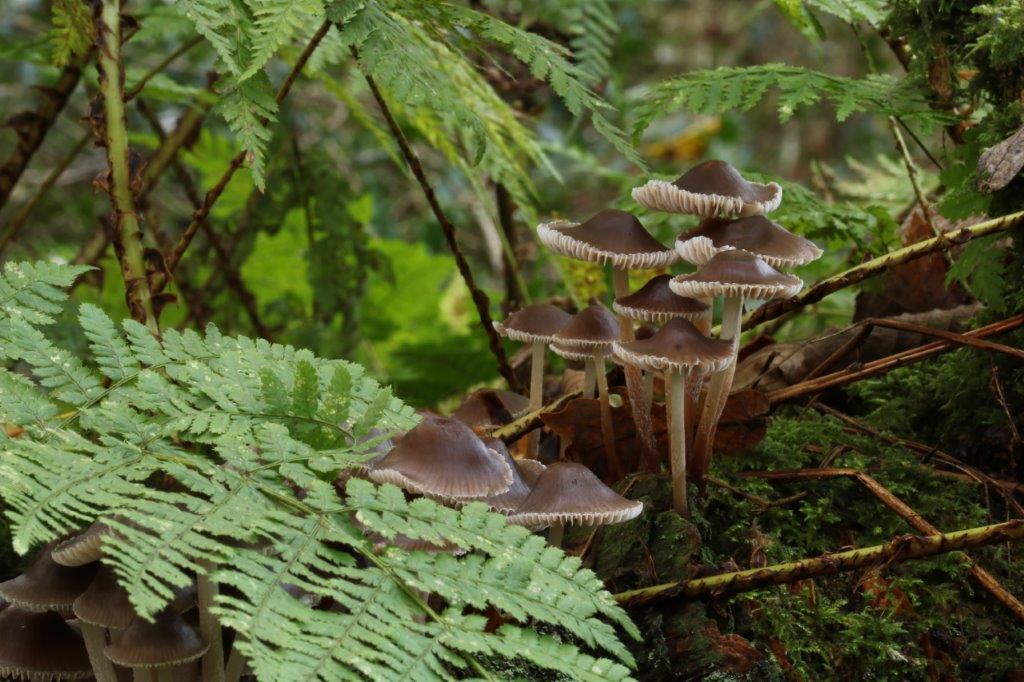
fungi
Posted on
Mar 6, 2022
Mar 27, 2024
by
Dorset Environmental Records Centre
Post navigation
fungi
Leave a comment
Cancel reply
Δ
Comment
Dorset Environmental Records Centre
Sign up
Log in
Copy shortlink
Report this content
Manage subscriptions
 Dorset Environmental Records Centre